
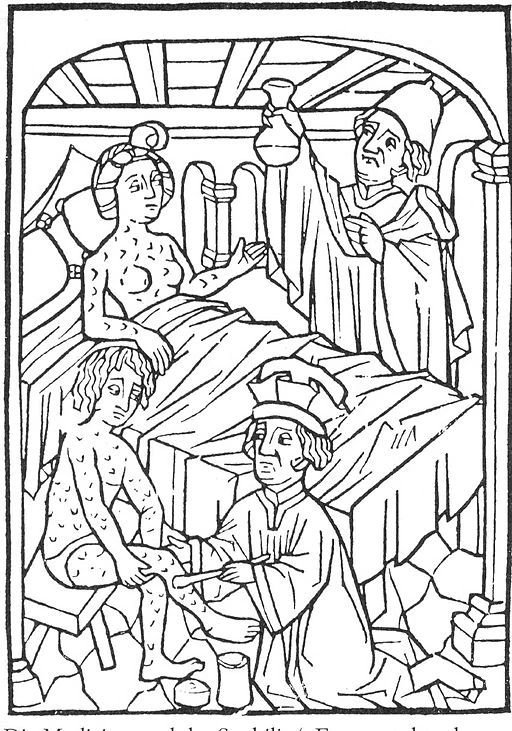
A post-medieval depiction of the effects of syphilis
Rubicon osteoarchaeologist Carmelita Troy made a gruesome discovery in an otherwise unremarkable post-medieval skeletal assemblage. One individual displayed severe skeletal changes caused by an advanced infectious disease. Further analysis indicated tertiary syphilis, sometimes historically called 'Cupid's Disease'.
Syphilis is a bacterial infection usually transmitted through sexual contact; infected mothers can also pass congenital syphilis to a developing foetus. The origins and early spread of the disease in Europe remain debated.
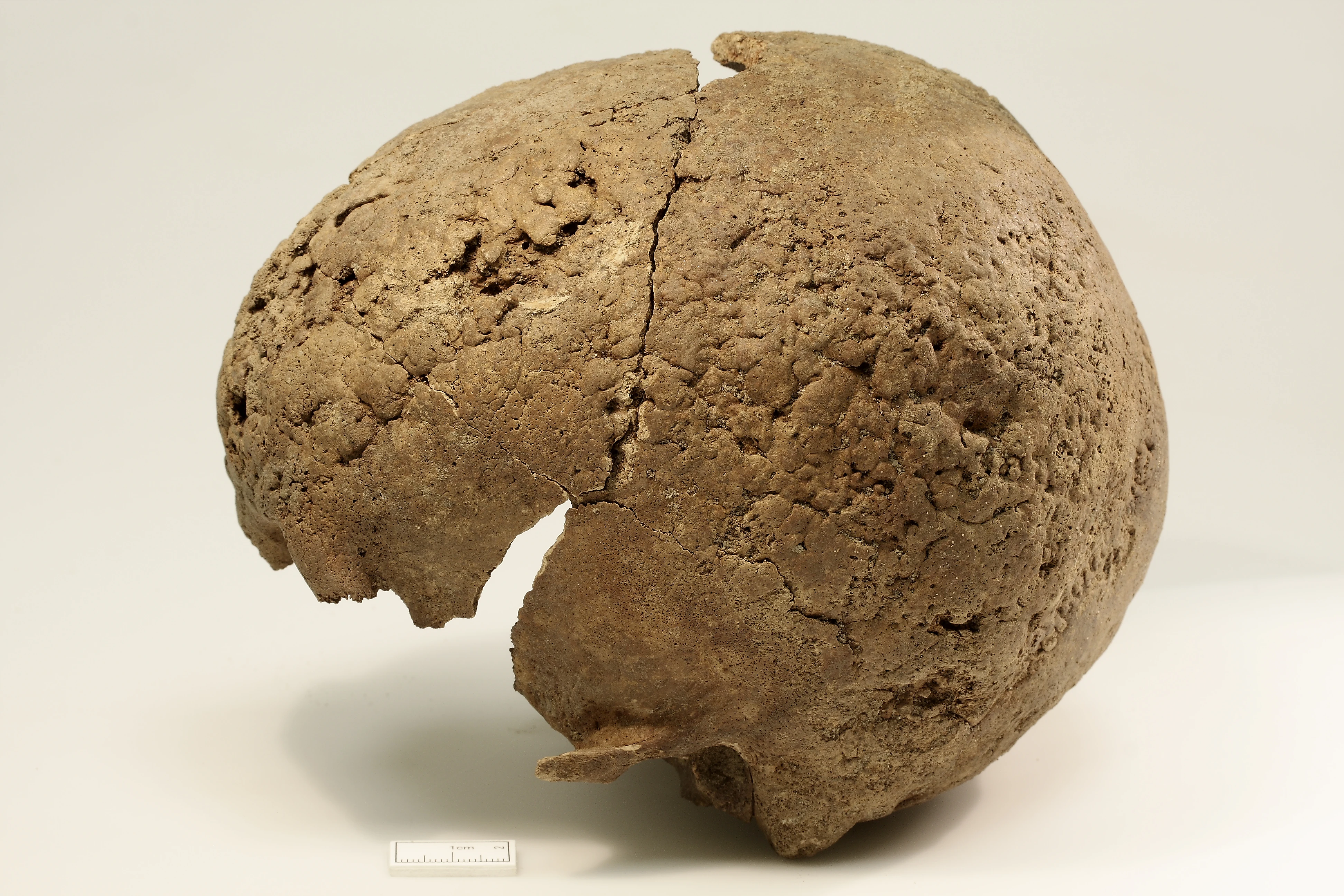
Pitting on the skull indicates tertiary syphilis, with advanced sclerotic healing
Primary and secondary syphilis affect soft tissues and may go unnoticed. It is in the advanced tertiary stage that the infection can damage bone as well as the heart, brain and nervous system.
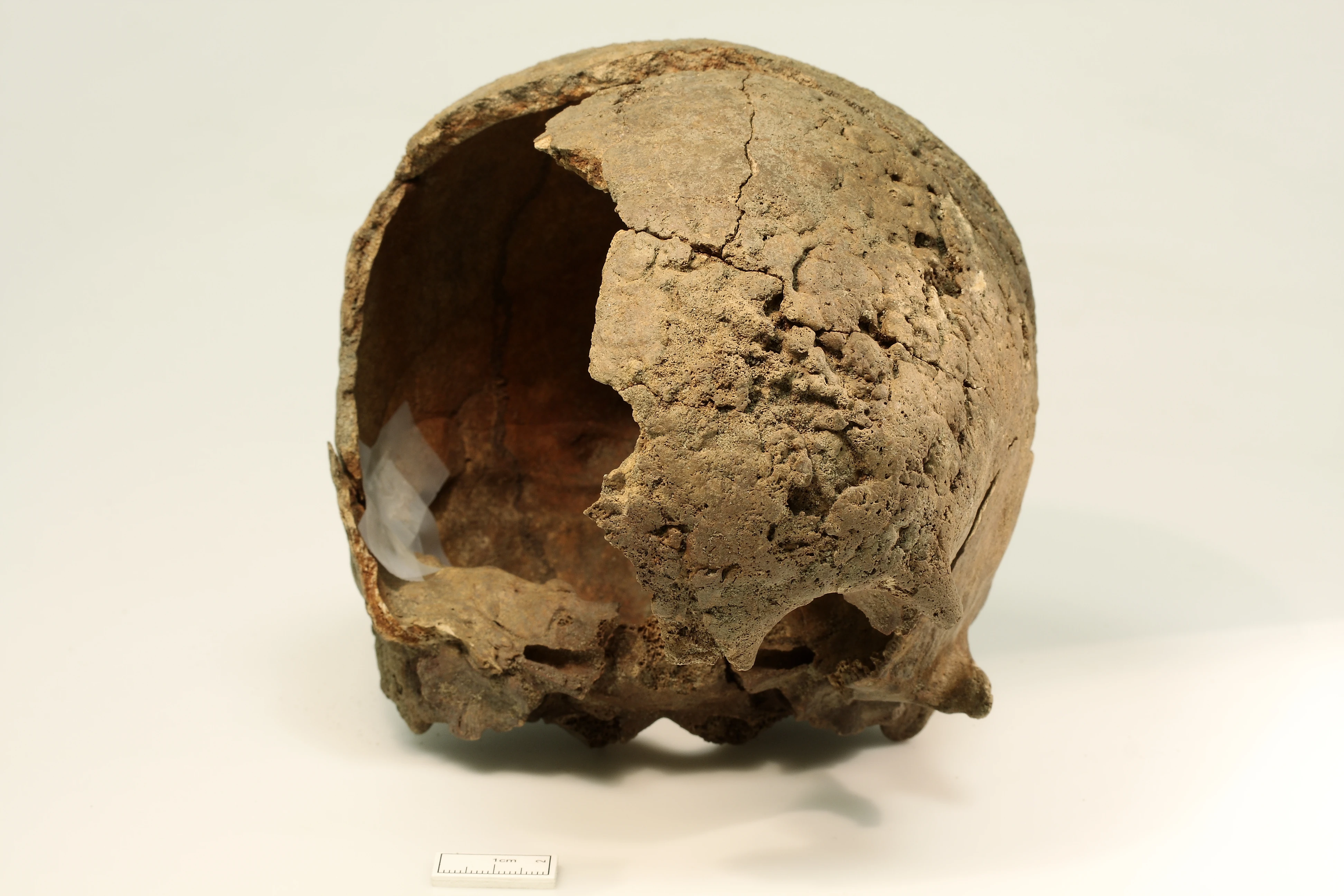
Caries sicca on the frontal bone of the skull, a sign of syphilis
The pitting visible on the skull results from destructive lesions followed by new bone formation as the body attempts to heal itself. Cranial scars known as caries sicca are diagnostically important in archaeological cases of acquired syphilis.

Syphilis remains a threat but since the discovery of penicillin is now treatable
Today syphilis is readily treated with antibiotics when diagnosed. For people living before modern medicine, however, advanced infection could be devastating and ultimately fatal.