
Rubicon faunal specialist Claudia Tommasino Suarez examined a highly significant horse assemblage from the deserted medieval village at Mullamast, Co. Kildare, which may provide evidence for the breeding of the small horses used by medieval hobelar cavalry.
From the thirteenth century Ireland made an important contribution to warfare in Britain through the hobby or hobin, a small, light and manoeuvrable native horse. Its ability to operate in mountains, bogs and woodlands made it ideal for the lightly mounted scouts and patrol troops known as hobelars.
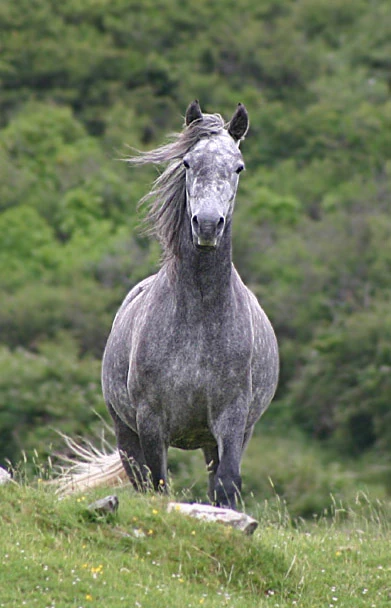
The Connemara Pony. Although the Irish Hobby is now extinct, the Connemara Pony may resemble how it once appeared
Historical records show these horses were valuable to English armies, including during the Wars of Scottish Independence, and large numbers were transported from Ireland for military campaigns.
Could archaeological evidence show where they were bred? At Mullamast, excavated for Kildare County Council and the National Roads Authority, horse bone made up an extraordinary 28% of the identified faunal assemblage, compared with the very small percentages usually found on medieval Irish sites.
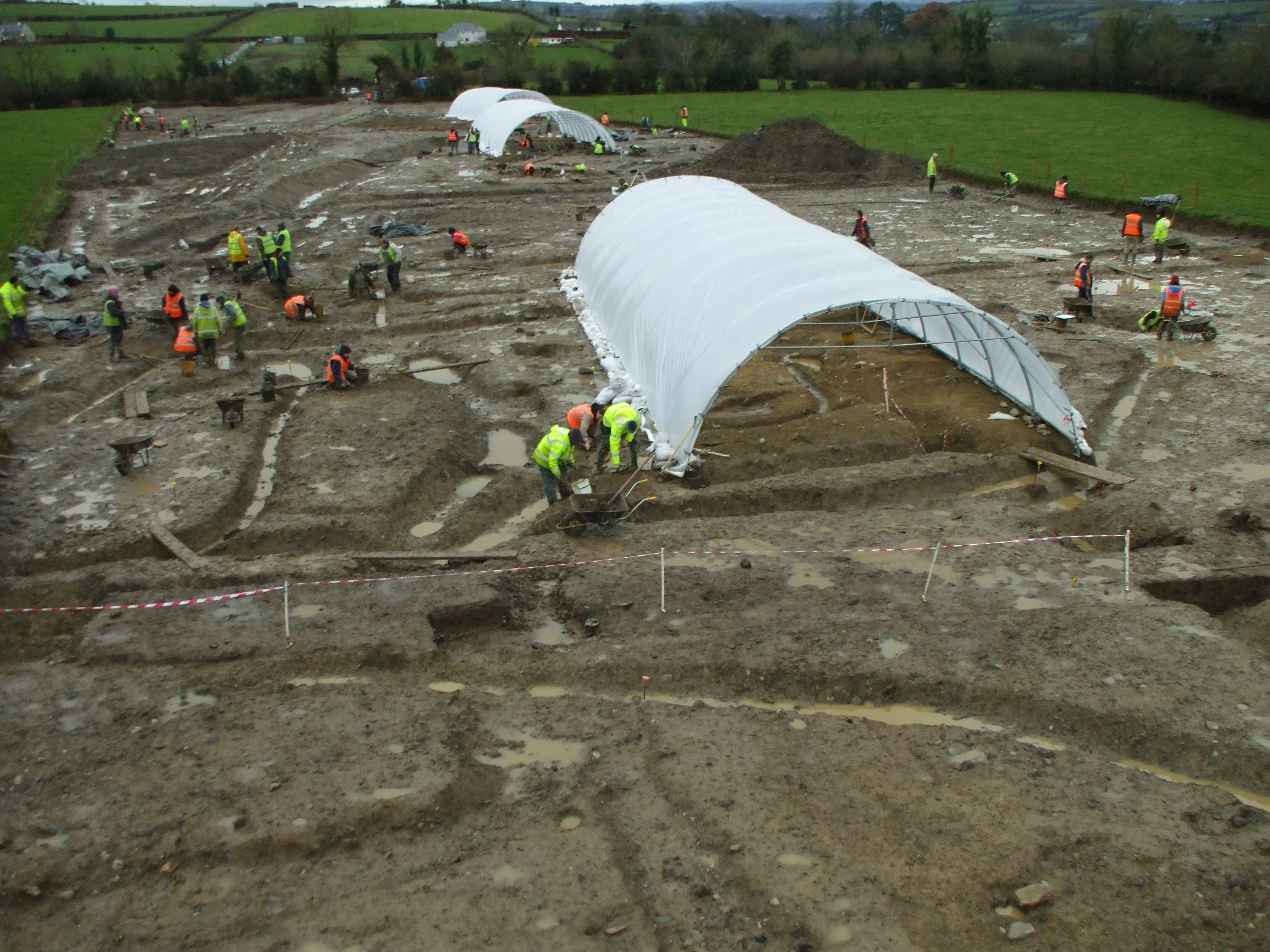
Rubicon Heritage's excavations at the Deserted Medieval Village of Mullamast, Co. Kildare
The adult animals were small, generally under about 130 cm at the shoulder, matching the dimensions expected for hobbys. Neonatal and infant remains showed that horses were being bred at the settlement. Some animals also showed evidence of use for ploughing or other labour.
The evidence cannot prove that Mullamast was specifically breeding military horses, but the unusually large population suggests it may have been an important centre supplying both agricultural needs and the wider demand for small, agile mounts.