
The 'musketball' was for many decades one of the most neglected archaeological finds. The growth of battlefield and conflict archaeology has changed that, showing how lead bullets can reveal detailed information about the people, weapons and movements involved in historic fighting.
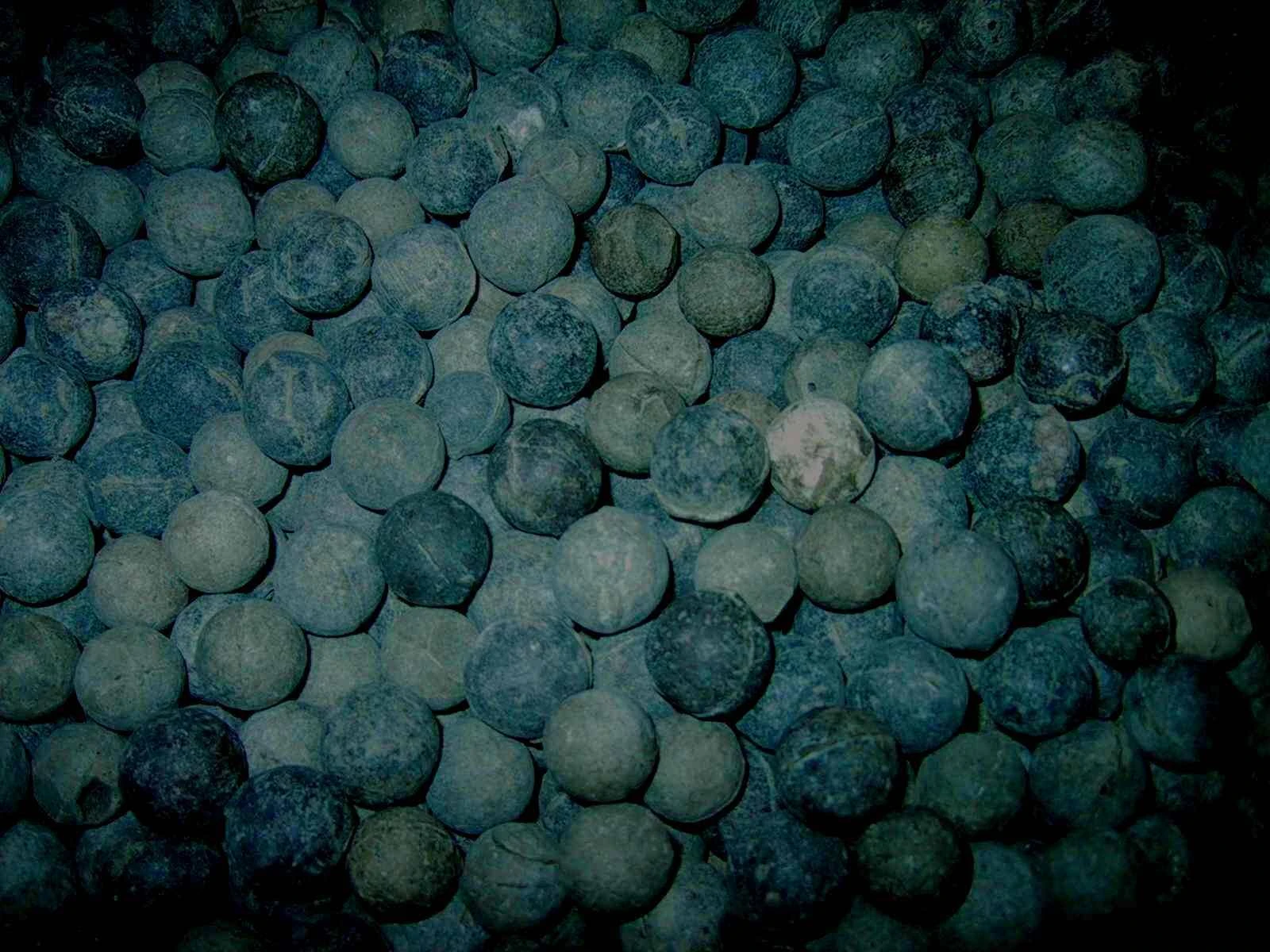
A hoard of 2,701 lead bullets illegally metal detected at Ballymore, Co. Westmeath, probably concealed by Jacobites before their surrender in 1691
Many so-called musketballs were actually fired from different weapons. Heavy muskets, carbines and pistols used lead balls of different sizes and weights, so careful measurement can indicate the types of troops present at a site.
The exact archaeological location of each bullet is equally important. Mapping fired shot across a battlefield can show where different troops fought, the direction of attacks or retreats and the areas where fighting was most intense.
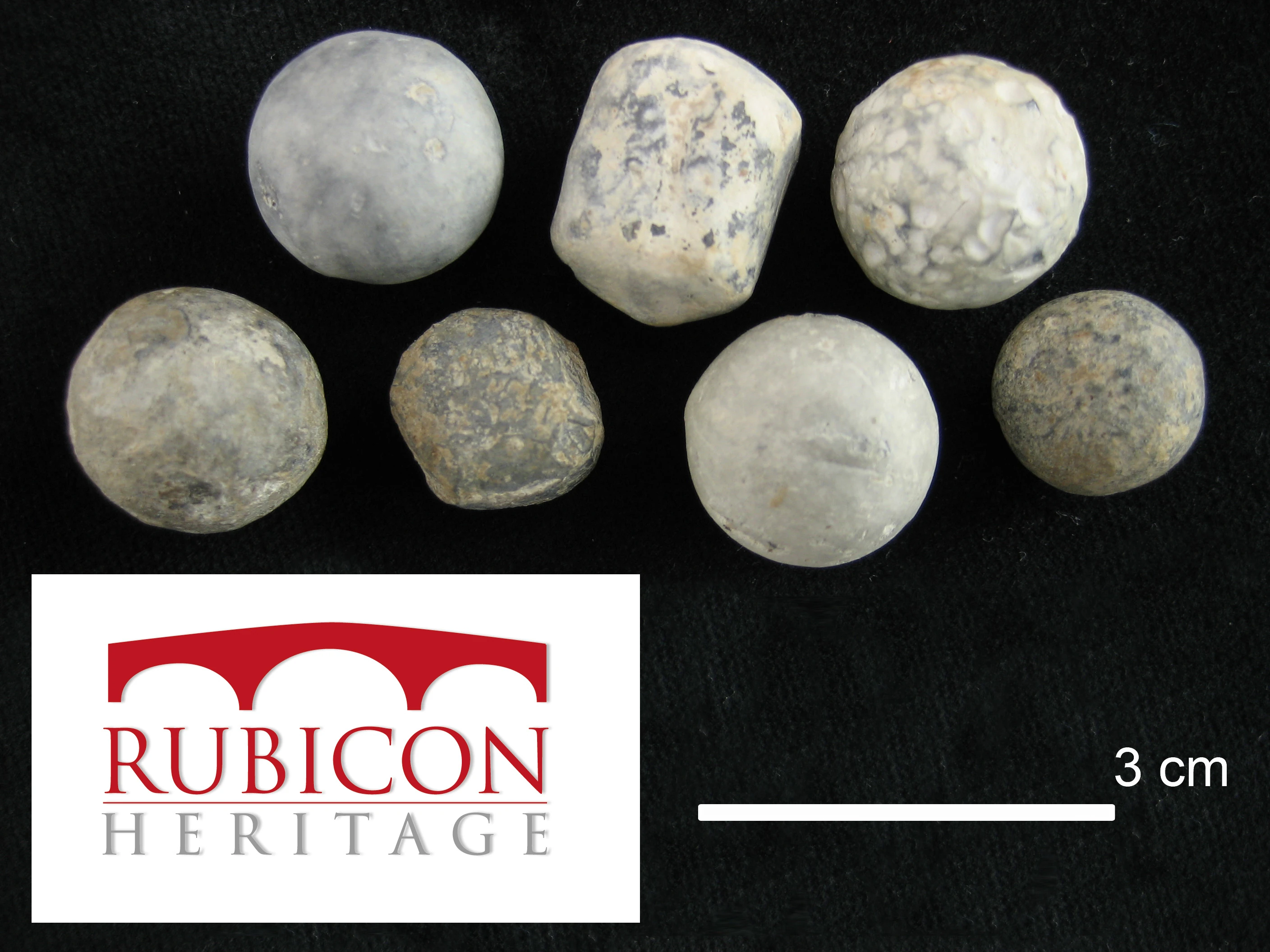
Lead shot recovered from the Battlefield of Aughrim, Co. Galway, representing an attack on fleeing Jacobite soldiers
Lead shot analysed for work at Aughrim included different calibres consistent with infantry and mounted troops. Because the findspots were recorded, the distribution could be related to the known rout at the end of the battle.
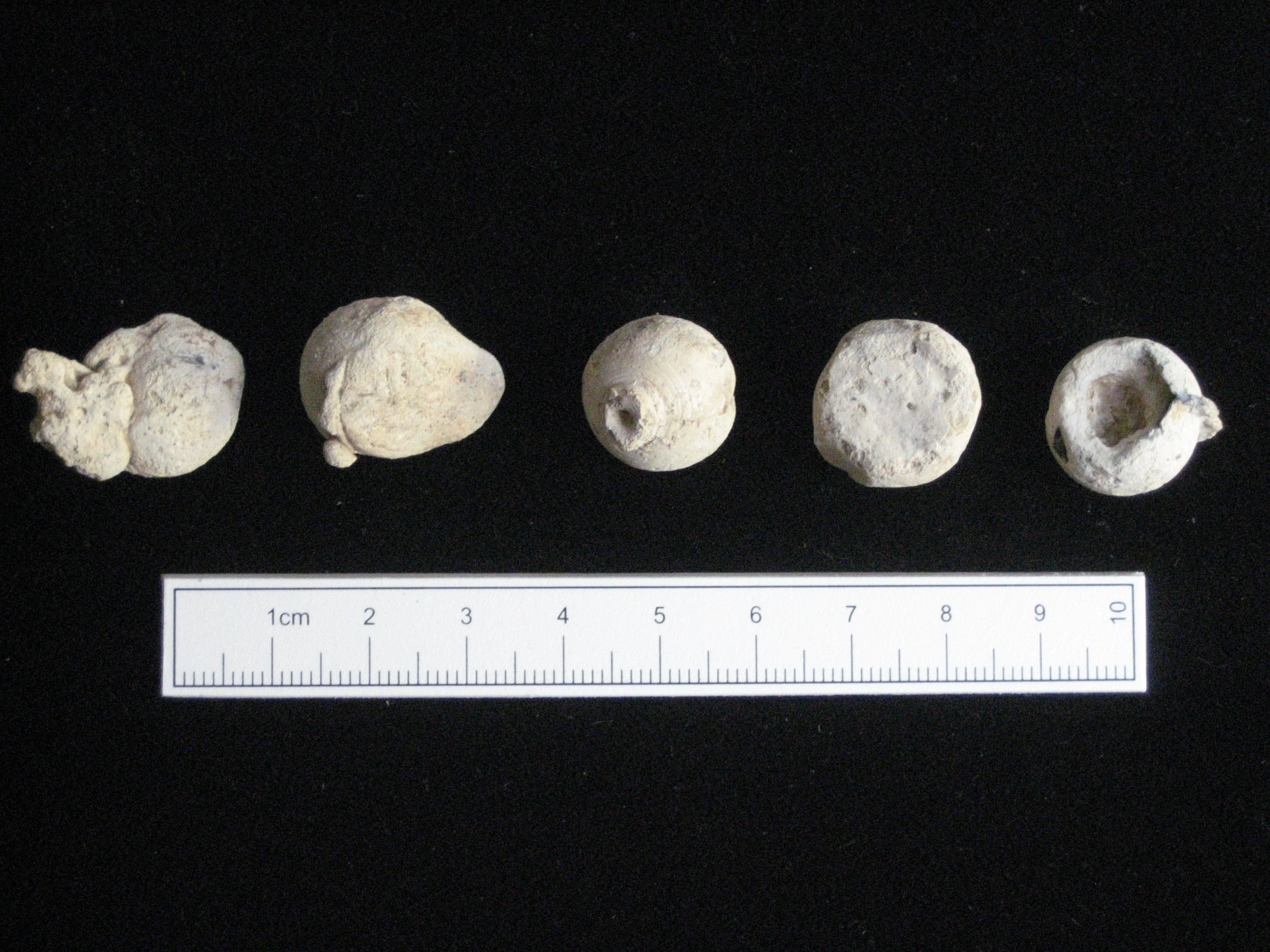
The Siege and Battle of Kinsale landscape
Other assemblages from early modern Irish conflict sites show how bullets can be tied to specific phases of military activity, including camps, sieges and attacks on fortified buildings.
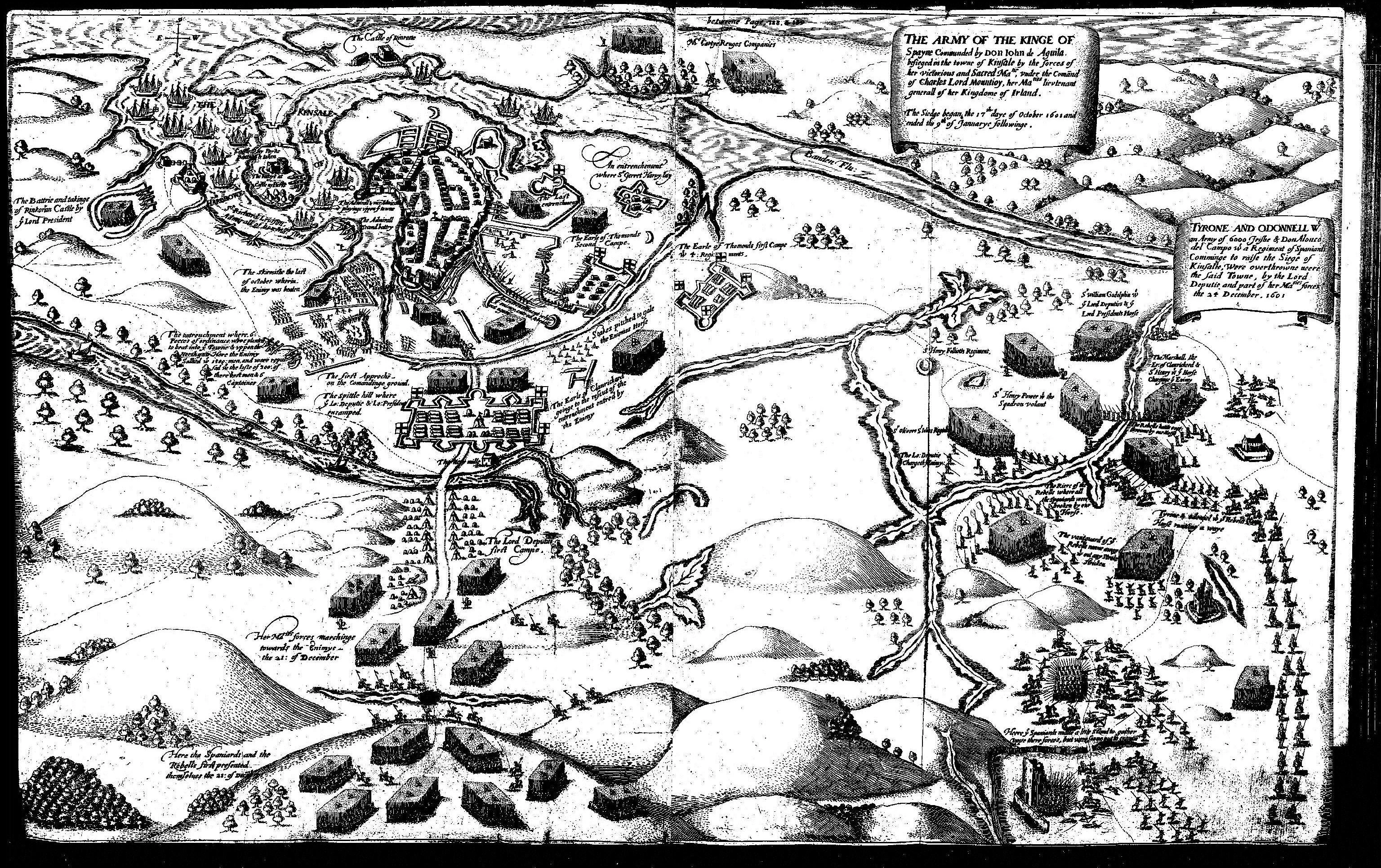
Lead shot from the 1601 Lord Deputy's camp at Kinsale
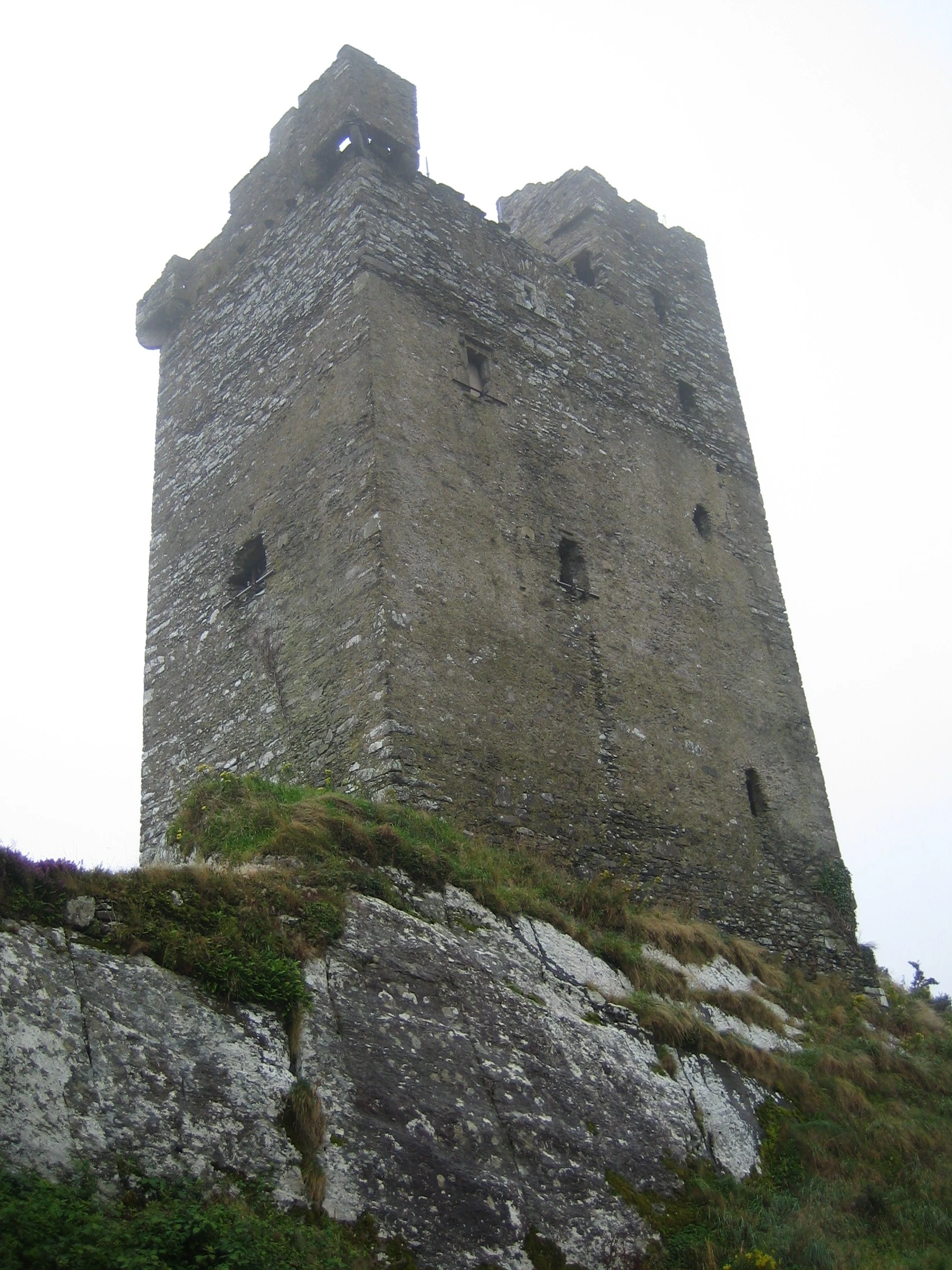
Castledonovan Castle, Co. Cork
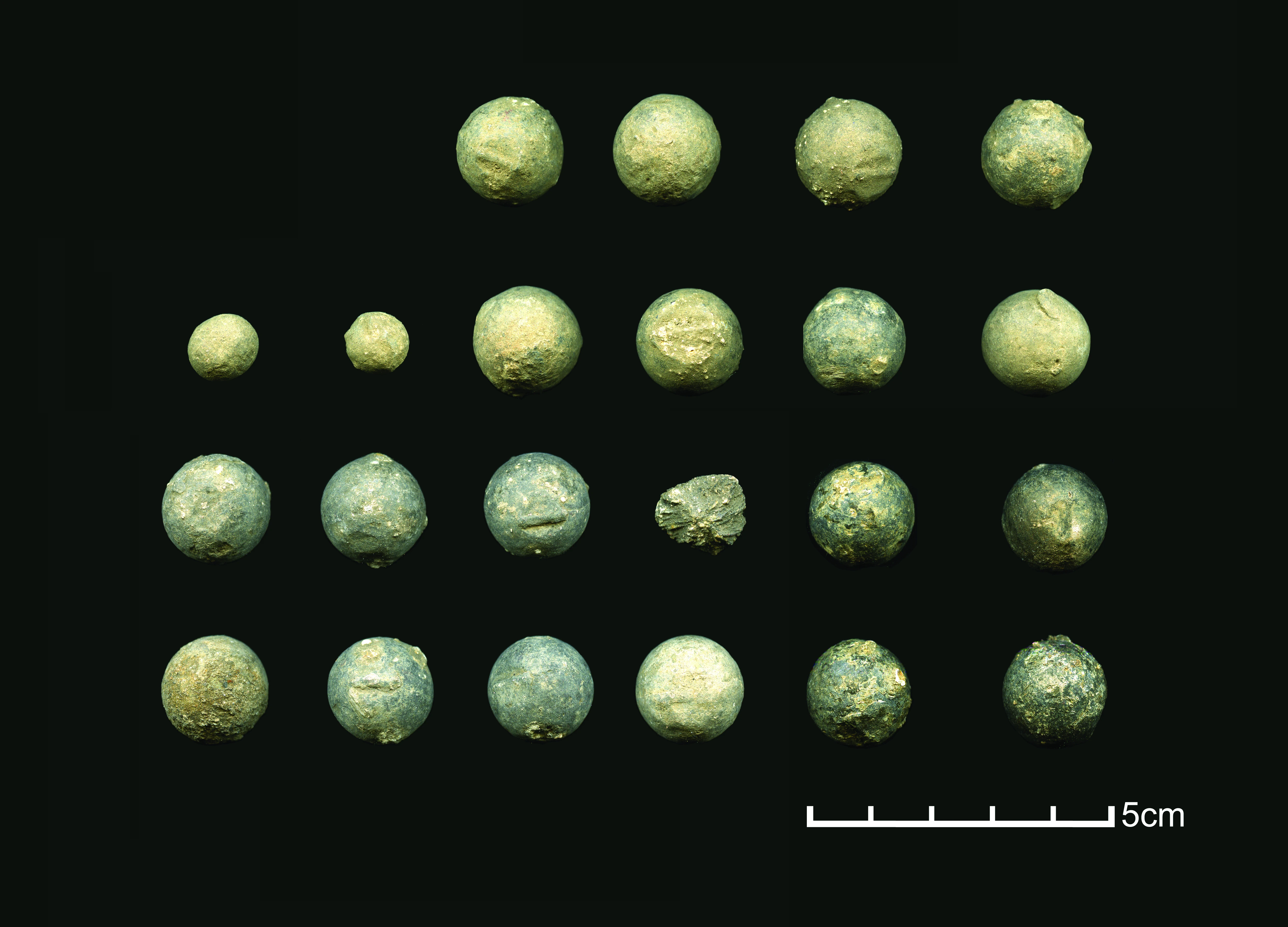
Lead shot assemblage from the 1650 attack on Castledonovan Castle, Co. Cork
These small objects were often deposited during only a few minutes or hours of extreme violence. Each was designed to kill or maim, and their proper archaeological recording can unlock details of events that historical accounts alone cannot provide.